It is one of the most frightening calls you can get. Your mum has fallen at home and she cannot get up. Or you walk into a room and find your dad on the floor, confused and unable to stand. Your first instinct is to panic, but what you do in the next few minutes really matters.
Falls are the most common cause of injury in people over 65 in the UK. Over 2 million older adults fall each year, and for many of them, the scariest part is not the fall itself but the time spent on the floor waiting for help. In this guide, we explain step by step what to do, what not to do, and how to get the right help.
Do Not Try to Lift Them Yourself
This is the most important thing. When you see someone you love on the floor, your natural reaction is to grab them and pull them up. Do not do it. Trying to lift an elderly person without the right technique and equipment can cause serious injury to both of you.
You could worsen a fracture or spinal injury that you cannot see. You could strain your own back and end up injured yourself. The person could fall again during the lift if they are unsteady. And an incorrect lift can cause skin tears, shoulder dislocations, or hip injuries in elderly people whose bodies are more fragile than you might expect.
Unless the person is in immediate danger, such as lying near a fire, in water, or in a road, leave them where they are and focus on assessing the situation before doing anything else.
How to Assess the Situation
Before deciding what to do next, take a moment to check a few things.
Talk to them. Are they conscious and alert? Can they tell you what happened? Do they know where they are and what day it is? If they are confused, drowsy, or not responding, call 999 immediately.
Check for obvious injuries. Is there any visible bleeding? Are they complaining of severe pain in their hip, back, or head? Is a limb at an unusual angle? If you suspect a fracture, a head injury, or a spinal injury, do not move them and call 999.
Ask about how they feel. Are they dizzy? Do they feel sick? Do they have chest pain or shortness of breath? Any of these could indicate something more serious than a simple fall and should be treated as an emergency.
If the person is conscious, alert, not in severe pain, and there are no signs of serious injury, you are probably dealing with a non-injury fall. This is still a situation that needs professional help, but it may not need a 999 ambulance.
When to Call 999
Call 999 immediately if the person has hit their head or you suspect a head injury. If they are unconscious or not fully alert. If they have severe pain in their hip, back, or neck. If there is heavy bleeding that you cannot control. If they are showing signs of a stroke, such as facial drooping, arm weakness, or slurred speech. If they have chest pain or difficulty breathing. Or if they have a suspected broken bone.
In these situations, do not wait. Call 999, stay with the person, keep them still and warm, and follow the instructions from the call handler until the ambulance arrives.
What to Do While They Are on the Floor
If the person does not need an emergency ambulance but cannot get up on their own, your job is to keep them comfortable and safe while you arrange help.
Keep them warm. Put a blanket or coat over them, and if possible, place a cushion or pillow under their head. The floor gets cold quickly, and elderly people lose body heat fast.
Stay with them and keep them calm. Talk to them, reassure them, and let them know help is coming. Being on the floor is frightening and embarrassing for most people, so your presence and a calm voice make a real difference.
Do not give them food or drink while they are on the floor. If they have an injury that needs treatment, eating or drinking beforehand can complicate things.
If they have a pendant alarm or telecare device, press it. The monitoring centre can contact the appropriate response team.
How to Get Professional Help for a Non-Injury Fall
If the person has fallen, is not seriously injured, but cannot get up, you have two main options.
You can call 999 and request a non-emergency response. The ambulance service will send help, but because the call is not life-threatening, it will be triaged as a lower priority. Depending on how busy the service is, the wait can be anywhere from one to several hours. During busy periods, waits of four hours or more are not uncommon.
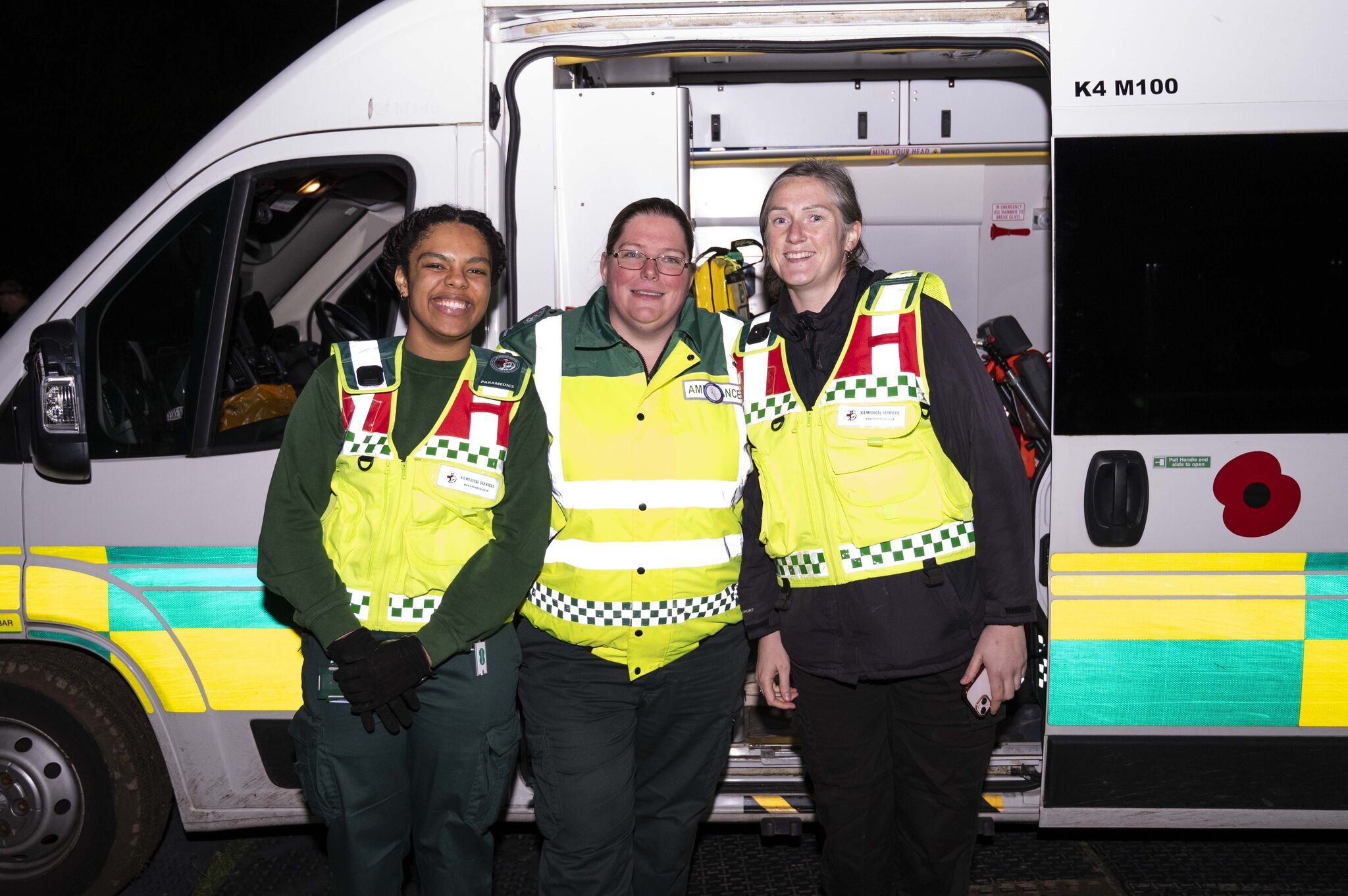
The alternative is to call a professional non-injury falls service. K4 Medical provides a dedicated falls response across London and South East England. Our trained team arrives with specialist lifting equipment, carries out a clinical assessment to check for hidden injuries, lifts the person safely and with dignity, and makes sure they are comfortable and well before leaving.
In our experience, the biggest advantage of a dedicated falls service over waiting for a 999 ambulance is speed. Every minute on the floor increases the risk of pressure injuries, hypothermia, dehydration, and psychological distress. Getting the person up safely and quickly is always better than waiting hours for an ambulance that is dealing with higher-priority emergencies.
After the Fall
Once the person is up and settled, the situation does not end there. Falls in elderly people are often a sign that something else is going on, and the risk of falling again is high if the underlying cause is not addressed.
Contact their GP within 24 hours to report the fall. The GP can review their medication, as certain drugs can cause dizziness and increase fall risk. They can also refer the person to a local falls prevention service for assessment and support.
Check the home environment. Loose rugs, trailing cables, poor lighting, clutter in hallways, and a lack of grab rails in the bathroom are all common trip hazards that can be fixed easily. Sometimes a few small changes make a big difference.
Consider whether the person needs additional support. If falls are becoming frequent, it may be time to discuss options like a pendant alarm, regular care visits, or assistive equipment to help them stay safe and independent at home.
K4 Medical’s falls response team can also carry out a quick home environment assessment after a lift, identifying trip hazards and offering practical advice to help reduce the risk of future falls. If ongoing medical transport is needed for hospital check-ups after a fall, our patient transport service provides safe, comfortable journeys to appointments across London and the South East.